A Search for the Past Revealed a Century-old Treasure
When word spread that St. Michael’s School would be demolished, many former students felt a deep sense of loss. Among them was Barb Evans. Seeking more information, she called the parish and learned the sorrowful news that the building’s days were numbered.
When word spread that St. Michael’s School would be demolished, many former students felt a deep sense of loss. Among them was Barb Evans. Seeking more information, she called the parish and learned the sorrowful news that the building’s days were numbered.
The news stirred a deep sense of nostalgia for Evans, prompting her to help coordinate a final visit to the school. Before a larger public tour took place, she and a small group of longtime friends were given a private tour by Archie Salyards, who worked in maintenance at the school and guided them through both the school and the church.
They had walked those halls countless times before, but returning together one last time was especially meaningful. As they revisited classrooms, stairways and familiar corners that had shaped their childhoods, memories came flooding back. Stories flowed freely, bringing laughter, reflection and a mix of well-loved recollections and tales being shared for the first time.
Afterward, the group gathered for dinner, where the conversation naturally turned to the past. Before long, they found themselves reminiscing about a time capsule they had created as eighth graders and buried somewhere near the school.
Evans recalled possibly placing a note inside the time capsule. Brenda Russom remembered contributing a piece of chewing gum, an item that reflected a familiar part of her school days. Having been caught chewing gum in class more than once, she was often assigned the punishment of providing gum for the entire class. During the interview for this story more than 50 years later, Russom happened to be chewing gum once again, drawing laughter from her classmates as they reflected on the coincidence.
Laura Gressman remembered including a cassette tape containing popular songs of the era. That recollection led to another shared memory of a kickball game accompanied by music blasting from a boombox. According to the group, a sister came out of the school, scolded them, removed the cassette, and snapped it in half.
As memories continued to surface, so did thoughts of the time capsule they had buried years earlier. The items inside were no longer just keepsakes from their school days. They had become tangible reminders of a friendship and a shared chapter of life, leaving the group eager to learn what had become of the capsule.
Evans intended to search for it, but by the time she began looking, demolition work had already transformed the school grounds. Nobody could remember exactly where it had been buried, so they asked contractors working on the site to watch for it.
Their curiosity was soon rewarded. During the demolition process, Archie Salyards discovered a time capsule and turned it in to the parish office. Thinking it might be the one they had buried decades earlier, the former classmates quickly arranged to open it together.
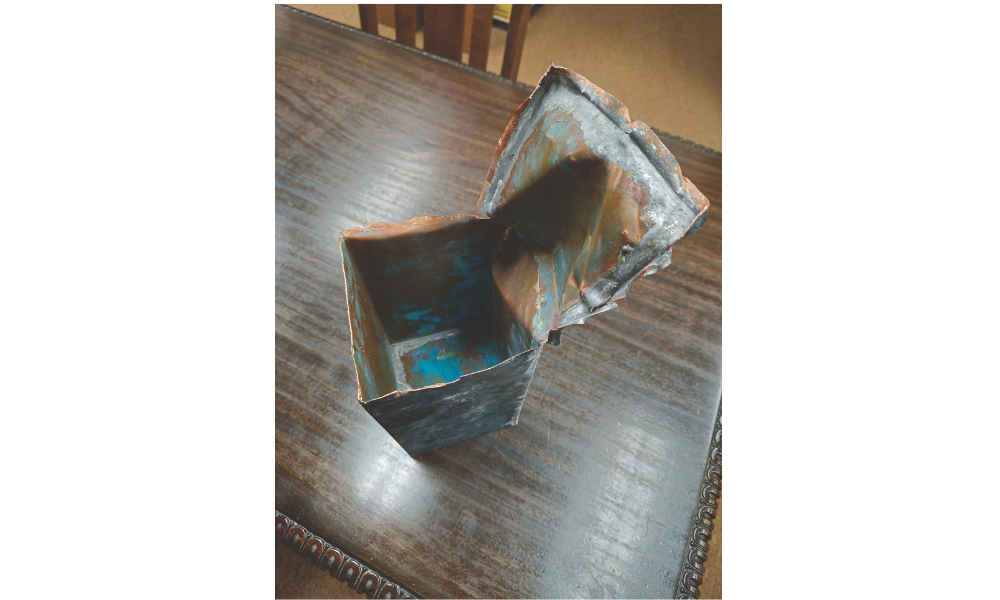
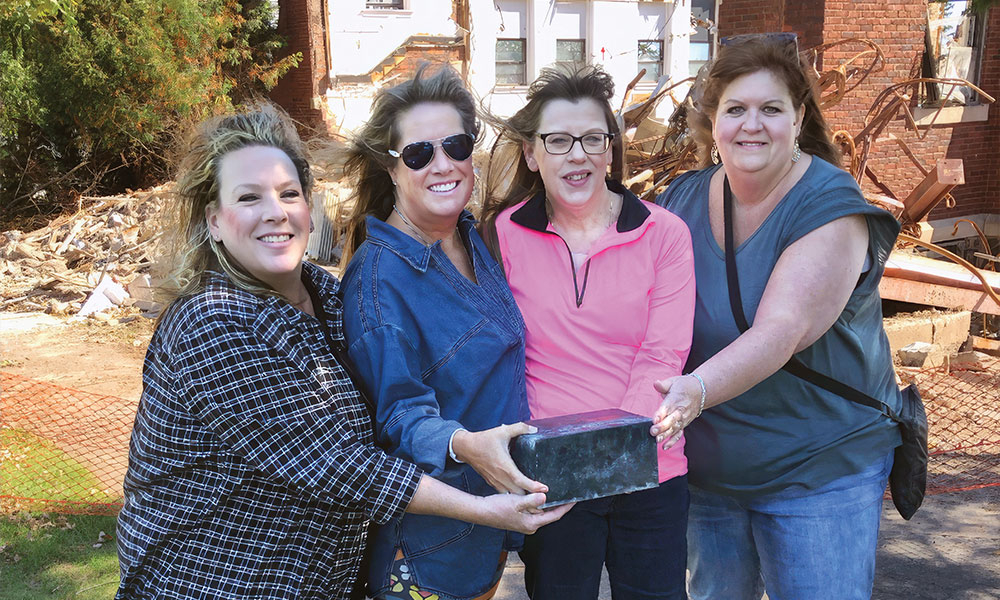
When the day arrived, Evans, Gressman, Russom and Catherine Walsh gathered near the remains of the school armed with a variety of tools. They had no idea what condition the capsule might be in, but were surprised to find that it was made of solid copper.
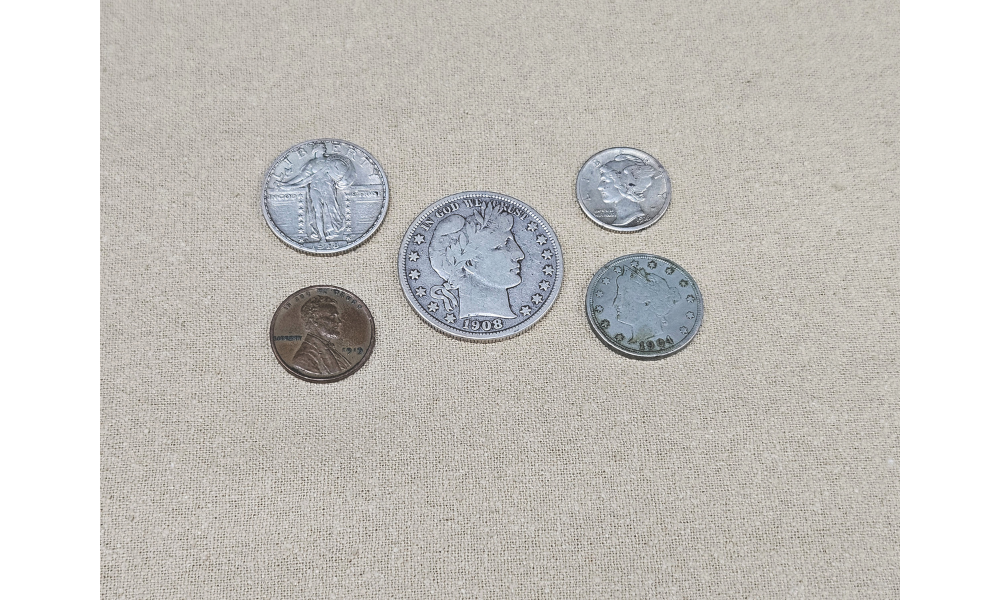
As they worked to pry the capsule open, they could hear something rattling inside and wondered what they might find. When the lid finally came off, a few coins spilled out. Each person picked one up, but it didn’t take long to realize this was not the time capsule they had buried as eighth graders. In many ways, however, the discovery turned out to be even better.
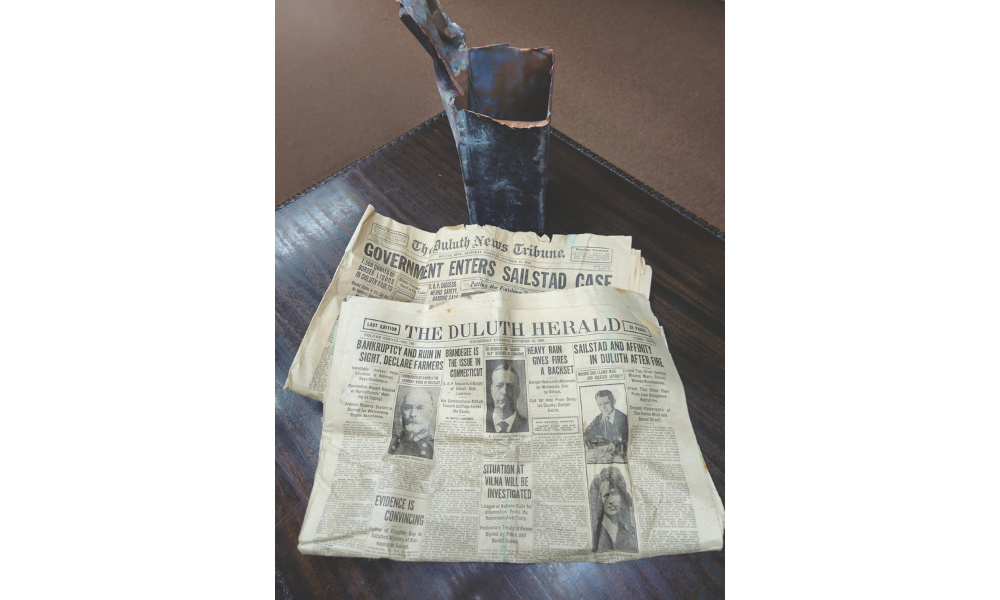
The coins were silver and far older than anything they expected. Inside were newspapers more than a century old. The group quickly understood they were holding a piece of local history and treated the contents with greater care. The newspapers had become so fragile over time that they decided not to remove them.
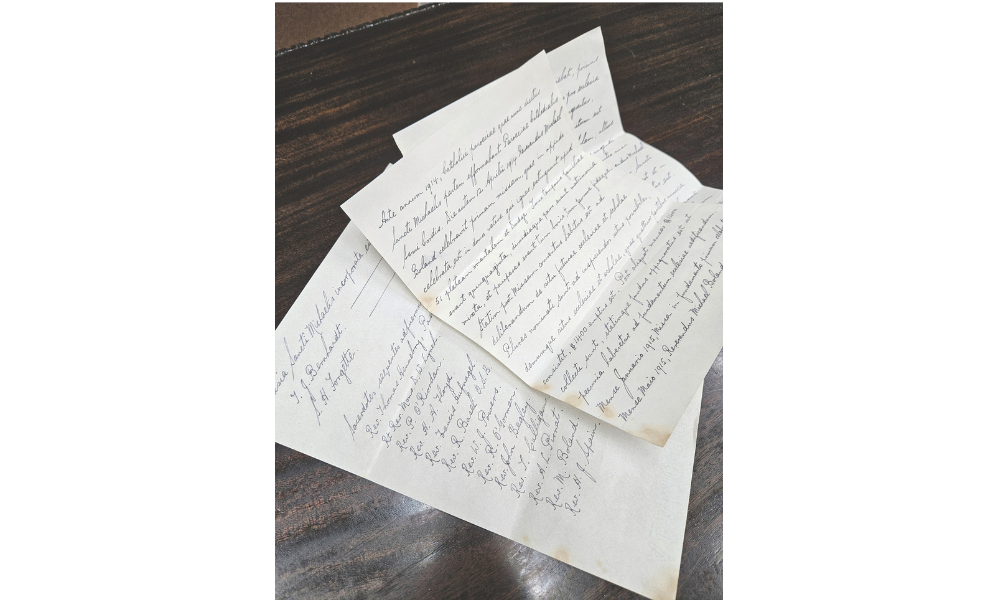
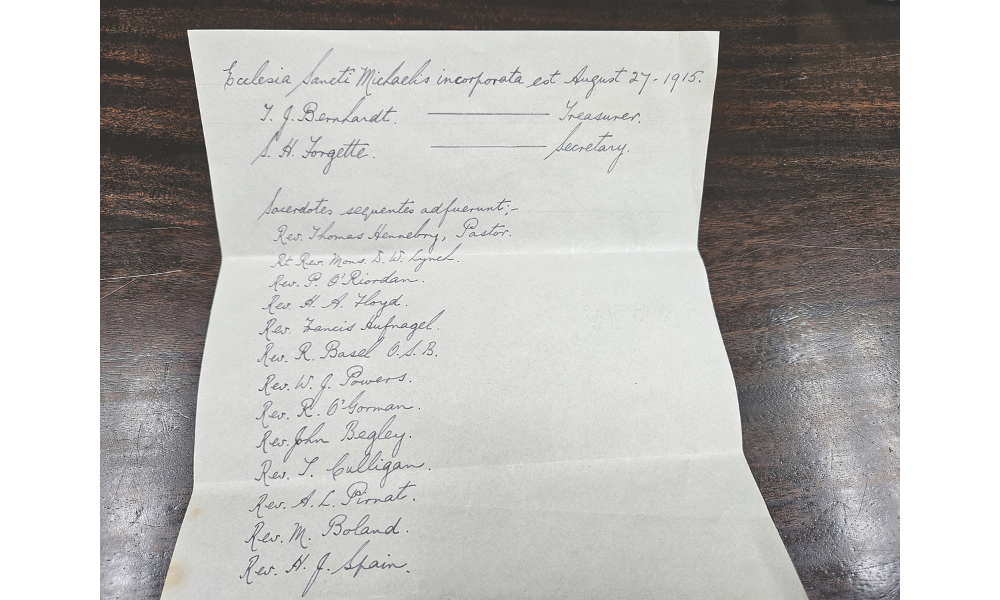
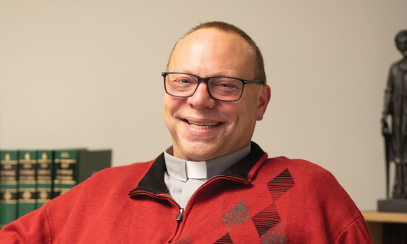
Recognizing the importance of the find, they contacted Father Seamus Walsh. Among the contents were letters written in Latin, which Walsh was able to read. The documents described the construction of St. Michael’s School in 1920 and listed the priests serving at the time. As Walsh reviewed the names, one stood out immediately.
Father Harry Spain, Walsh’s uncle, was among those mentioned. Walsh noted that it was Spain’s connection to the Diocese of Duluth that first inspired him to come to the diocese in 1966, giving the discovery a deeply personal meaning. Another familiar name was Monsignor Boland, the first pastor of St. Michael’s.
The capsule contained a remarkable snapshot of parish life from more than a century ago. Along with parish history and references to the priests who served there, the newspapers offered glimpses into everyday life of the era, including articles about the blessing of St. Michael’s School and advertisements showing what goods cost in Duluth at the time. The letters also explained that the first St. Michael’s Church had been located in the school basement.
Walsh explained that a time capsule of this kind would likely have been assembled by the clergy rather than students.
After examining the contents, Walsh and the group agreed the capsule belonged somewhere it could be properly preserved. They donated it to the Diocese of Duluth archives, where it can be protected from further deterioration and remain available as part of the diocese’s historical record.
Although the friends never found the time capsule they remembered burying as children, none expressed disappointment. Their search for a piece of their own past led instead to the recovery of something much older and arguably far more important.
Their search for a few youthful mementos instead led to the recovery of a hidden treasure from 1920.
Most of all, they were grateful that this remarkable piece of history had survived. Had it gone unnoticed during demolition, more than a century of memories and stories might have been lost forever.